What Should You Look for in a Roof Replacement Contract?
Feb 26, 2026
By wondering what to look for in a roof replacement contract, you’re already thinking like a careful homeowner. A roof replacement is a significant investment, and the contract you sign is what defines the entire project from start to finish. It should clearly outline what work will be completed, what materials will be used, how payments are handled, and what protections are in place for you.
A well-written agreement does more than confirm a price. It sets expectations. It explains responsibilities. It documents warranties. It protects you if questions come up later. When details are clearly defined before work begins, you avoid misunderstandings, surprise costs, and gaps in communication. Also, when you understand exactly what’s included, you can move forward with confidence, knowing your home and your investment are properly protected.
The easiest way to review a roofing contract is to treat it like a checklist. You’re looking for clear answers to a few key questions: What exactly is being done? What products are being used? How and when do payments happen? Who is responsible for the cleanup and permits? And what warranty paperwork will you receive? Let’s walk through each section so you know what to confirm before you sign.
1. Clear Scope of Work
The scope of work is the backbone of your contract. It should explain exactly what will be removed, replaced, and installed.
A professional roofing contract will clearly state whether the project includes a full tear-off of existing shingles, replacement of underlayment, installation of ice and water shield, new flashing, and any ventilation upgrades. If damaged decking is discovered during the project, the contract should also explain how it will be handled.
If the agreement simply says “replace roof” without details, that’s a red flag. Clear language protects both you and the contractor. You should never have to guess what is included.
2. Detailed Material Specifications
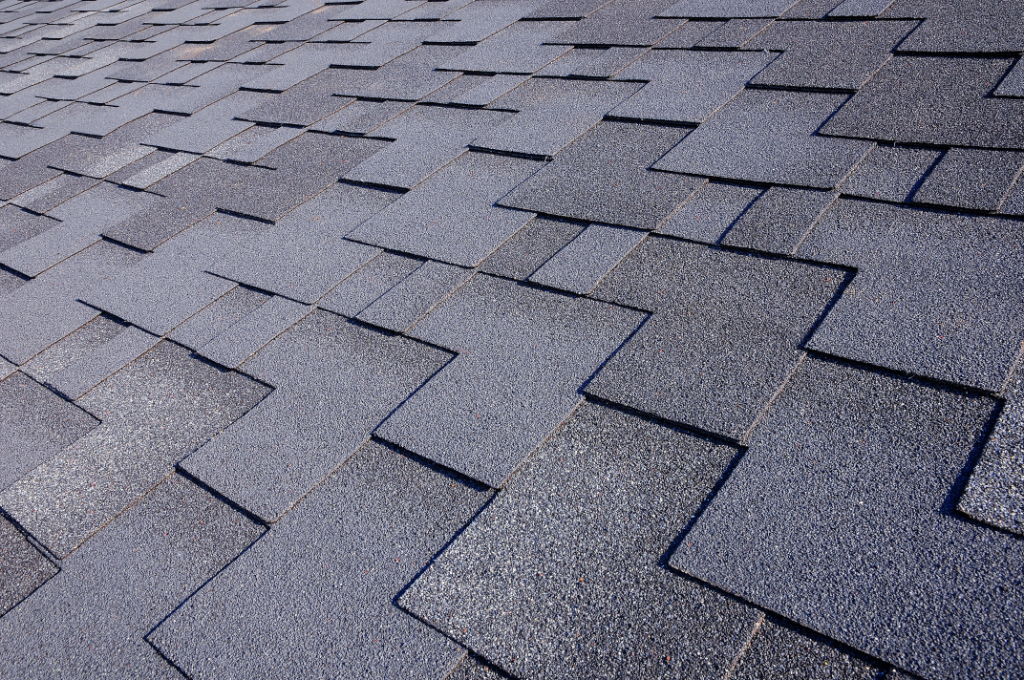
Not all roofing materials perform the same, especially in New Jersey’s climate.
Your contract should list the manufacturer, the exact shingle type, the underlayment, and any ventilation components being installed. A roof is a complete system, and every layer plays a role in protecting your home.
When materials are not clearly specified, substitutions can happen without your knowledge. A strong agreement removes that uncertainty and ensures you know exactly what is going on your roof.
3. A Fair and Clear Payment Schedule
Payment terms should be written, balanced, and easy to understand.
Most roofing projects include a deposit, followed by a final payment upon completion. The timing and structure should be clearly outlined in the contract. Be cautious if a contractor asks for full payment upfront or avoids putting payment terms in writing.
A professional contractor will explain the schedule calmly and transparently. You should feel comfortable with how and when payments are made.
4. Cleanup and Property Protection
Roof replacement can be disruptive, especially in neighborhoods with closely spaced properties and landscaping.
Your agreement should clarify who is responsible for job site cleanup, debris removal, nail collection, and protecting your landscaping. Details such as magnet sweeps and daily cleanup may seem small, but they reflect professionalism and respect for your home.
If cleanup is not mentioned in the contract, it leaves room for confusion and could leave you unprepared if the responsibility falls on you.
5. Warranty Documentation
One of the most important sections in a homeowner's roofing contract guide is the warranty language.
There are typically two warranties involved: the manufacturer’s warranty, which covers material defects, and the workmanship warranty, which covers installation quality.
Your contract should state how long each warranty lasts, what is covered, and whether it is transferable if you sell your home.
If warranty terms are vague or missing, that is a serious concern. A contractor who stands behind their work should have no hesitation putting warranty details in writing.
6. Permit Handling and Code Compliance
In many New Jersey towns, including Princeton, roof replacement requires a permit. Your contract should clearly state who is responsible for pulling the permit and scheduling inspections.
Permits are not just paperwork. They ensure your roof meets local building codes, which is especially important in areas that experience heavy snow and high winds. If a contractor suggests skipping permits to save time, that is a clear warning sign.
A properly permitted project protects your investment and ensures the work is inspected for safety and compliance.
Tip #1: Watch for Roofing Agreement Red Flags
As you review your contract, pay attention to vague descriptions, missing material details, unclear payment schedules, or absent warranty information. These are common red flags in roofing agreements that can lead to problems later.
For example, wording such as “replace roof as needed” or “install standard shingles” leaves too much open to interpretation. A clear contract should specify whether the roof will be fully torn off, the type of shingles to be installed, and the underlayment and flashing materials included.
Payment language can also be vague. Phrases like “payment due upon progress” or “balance due when work is complete” should clearly define amounts and timing. You should know exactly how much is due and when.
Warranty sections should never say simply “manufacturer's warranty applies” without stating the length of coverage or what is included. If workmanship coverage is offered, that should be written out clearly as well.
A well-written contract should answer your questions before the project even begins. If something feels unclear, ask for clarification and request that updates be reflected in writing. Clarity now prevents misunderstandings later.
Tip #2: Confirm the Scope Matches Your Home’s Needs
Before you sign a contract, it helps to step back and confirm that the scope matches what your roof actually needs.
In many cases, a repair is the right solution when the issue is localized, and the rest of the roof is still in good shape. On the other hand, if the roof is older, showing widespread wear, or experiencing repeated leaks in different areas, replacement may be the smarter long-term investment.
This decision matters because it affects what your contract should include. A repair-focused agreement should clearly define the specific area being addressed and what “completion” means. A replacement contract should be much more detailed, including a tear-off scope, system components, ventilation, cleanup, permit handling, and full warranty documentation.
If you’re still deciding, this guide on roof repair or replacement can help you understand the difference and what makes sense for your situation before you sign the contract.
Sign with Confidence
Understanding what to look for in a roof replacement contract empowers you to move forward without pressure or confusion. A clear scope of work, defined materials, transparent payment terms, written warranties, and proper permit handling all work together to protect your investment.
Using a simple roofing contract checklist, as you’ve learned above, can help you review the agreement section by section and make sure nothing important is overlooked. When every detail is clearly documented in writing, you can sign with confidence knowing expectations are aligned before work begins.
If you are preparing to sign and want guidance on what to look for in a roof replacement contract, our team at Matute is here to help. We will walk you through every section, explain your options clearly, and make sure you feel confident before any work begins.



Ready to Get Started?
Get in touch for a no-obligation estimate and personalized service you can count on.
Submit Request