How to Pick a Roof Shingle Color for a New Jersey Home
Apr 27, 2026
Choosing a new roofing system is one of the bigger investments you'll make as a homeowner, and shingle color is one of the first decisions you'll face.
Walk into any showroom or browse a manufacturer's catalog and you'll find dozens of options: charcoal blends, weathered wood tones, slate grays, earthy browns, cool whites, and everything in between. Each one looks slightly different depending on the light, the season, and what it's sitting next to on your home's exterior. It's easy to feel overwhelmed before you've even started.
The thing is, shingle color isn't a purely personal choice. In New Jersey, where summers are hot and humid, winters bring freeze-thaw cycles and heavy snowfall, and UV exposure accelerates material wear, the color you choose has real consequences for your home's comfort, curb appeal, and long-term value. This post walks you through the key factors to consider so you can make a choice you'll be confident in for decades.
Does Shingle Color Affect Temperature?
The short answer is yes, and in New Jersey's climate, it cuts both ways.
Darker shingles absorb more solar heat, which raises attic temperatures during the summer months. If your attic isn't well ventilated, that heat transfers into your living spaces and puts extra demand on your cooling system. Lighter shingles reflect more sunlight, helping keep attic temperatures lower and reducing cooling costs during NJ's warm season.
That said, the picture changes in winter. Darker shingles absorb heat more readily during daylight hours, which can help accelerate snow melt and reduce the conditions that lead to ice dams along your eaves. For homeowners in areas like Sussex County, NJ, where winters are colder and snowfall accumulates more, this is worth factoring in.
However, there is one important point to factor in: attic ventilation plays a bigger role in temperature regulation than shingle color alone. If your ventilation system isn't working properly, no color choice will fully compensate. When you're planning a shingle replacement, it's worth having your ventilation assessed at the same time.
Energy-efficient shingle options are also available for New Jersey homeowners who want to optimize for cooling performance. These products use specially formulated granules to reflect solar energy and are worth discussing with your contractor if energy costs are a priority.
How to Match Shingle Color to Your Home's Style
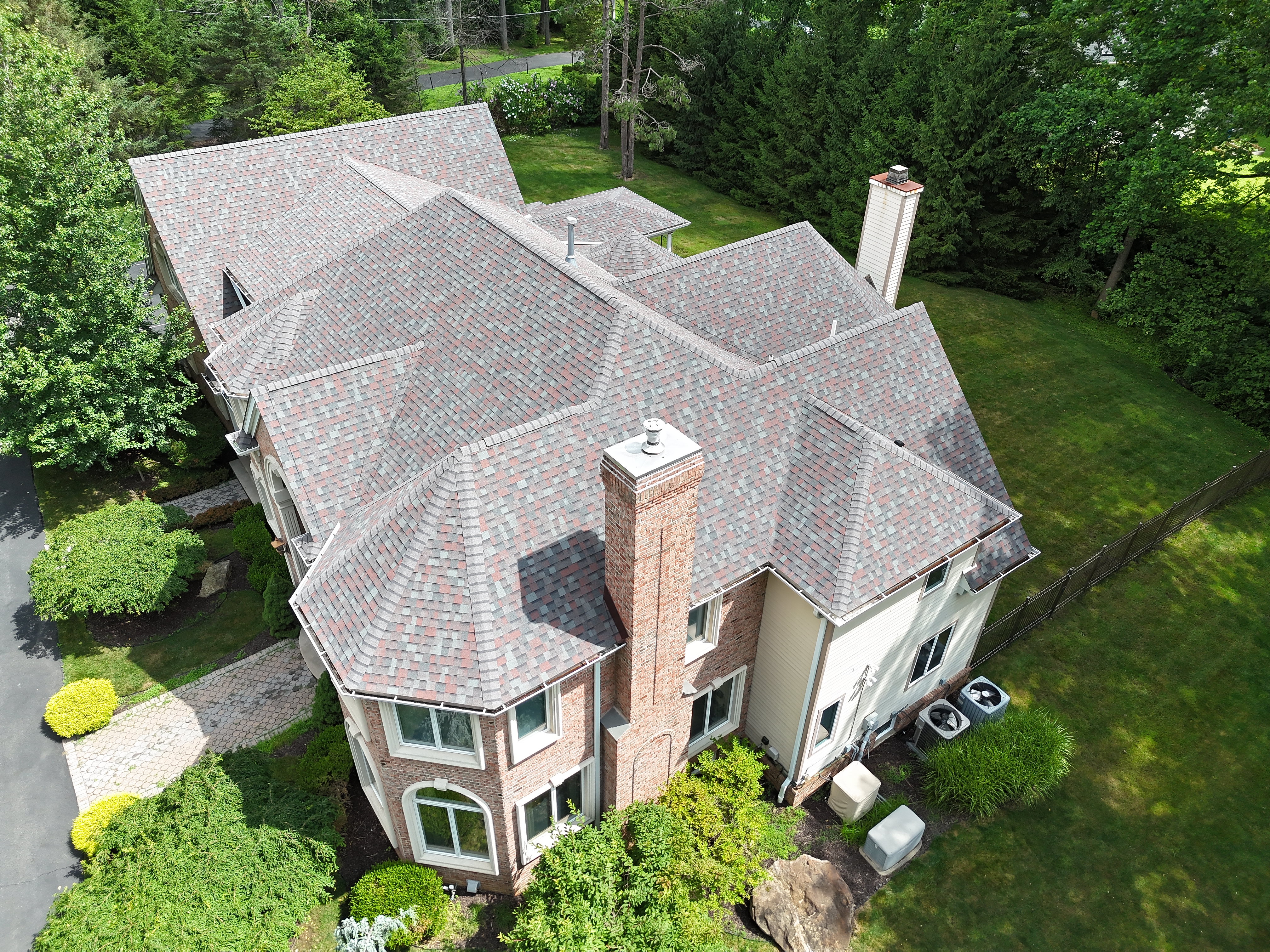
Shingle color doesn't exist in isolation. The style of shingles you choose affects how color reads on the roof, and both need to align with your home's architecture.
The three main types are 3-tab shingles, architectural (also called laminate) shingles, and designer shingles.
Three-tab shingles have a flat, uniform appearance and work best with simpler home styles. Architectural shingles are thicker, with a layered look that adds dimension, and are the most commonly installed option today. Designer shingles mimic the look of wood shake or slate and carry color with more visual texture.
New Jersey's housing stock is heavily colonial, Cape Cod, split-level, and Craftsman. The architecture of your home should guide both the style and color you choose.
Traditional colonials and Cape Cods tend to pair well with neutral tones, such as charcoal grays, weathered browns, and slate blues, because these colors support classic exterior lines without pulling attention away from other details. More updated or contemporary homes have more flexibility and can absorb stronger contrast without looking mismatched.
From there, think about your exterior materials. Brick and stone homes read best when the shingle color picks up the dominant tone in the masonry, while homes with vinyl or fiber-cement siding give you the choice of whether the roof blends into the overall palette or anchors it with contrast.
How Neighborhood Context and HOA Rules Factor In
Before you commit to a color, check whether your community has HOA guidelines that restrict exterior color choices. This is more common in newer New Jersey developments and planned communities. Violating those guidelines after installation creates a problem that's expensive to fix.
Even without an HOA, neighborhood context matters. If you're planning to sell within the next few years, a color that harmonizes with nearby homes tends to have broader buyer appeal than one that stands out significantly. Timeless, neutral shingle colors hold their appeal across buyers and time better than trend-driven choices.
How Shingle Color Affects Curb Appeal and Resale Value
Curb appeal consistently ranks among the top factors in home resale, and the roof is one of the largest visible surfaces on any home. A well-chosen shingle color can modernize an older home's exterior and make a strong first impression. A mismatched one can undercut everything else about the property's appearance.
For New Jersey homeowners looking to sell, or those buying an older home and planning updates, neutral shingle colors with broad market appeal are the safest investment. Charcoal, weathered wood tones, and slate gray perform well across NJ's varied housing stock, complementing both traditional and transitional exteriors without dating quickly.
If you're staying in the home long-term, personal preference carries more weight. Still, it's worth thinking about whether the color you love today will feel right in 15 years. Shingles are designed to last, and you'll be living with this decision for a long time.
For anyone buying an older home and approaching a first replacement, reviewing what an asphalt shingle roof involves structurally is a helpful starting point before getting into color and style choices.
The Right Shingle Color Starts With the Right Questions
Picking a shingle color is all about matching the right color to your specific home, your climate conditions, your neighborhood, and your goals as a homeowner. When you consider temperature performance, architectural fit, HOA requirements, and resale context together, the decision becomes much more straightforward.
The most useful step you can take before committing is to look at physical samples in natural light in your actual home. Colors shift significantly between a product brochure and an exterior surface, whether in full sun or under overcast New Jersey daylight.
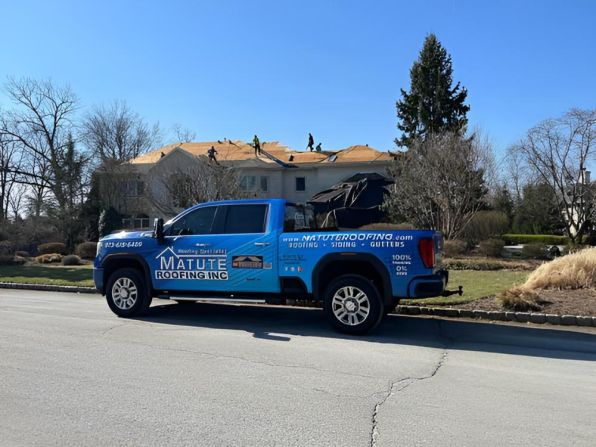
As a roofing contractor in New Jersey serving Northern NJ homeowners for over 20 years, Matute Roofing helps you work through material and color decisions as part of the estimate process. There's no pressure and no guesswork, just a clear conversation about what works for your home. Reach out to request a no-obligation consultation when you're ready.



Ready to Get Started?
Get in touch for a no-obligation estimate and personalized service you can count on.
Submit Request