What Goes Into a Roof Replacement Cost Breakdown in New Jersey?
Mar 23, 2026
Two proposals for the same roof may differ by thousands of dollars, even when both contractors appear to be offering a similar service. The reason is that a roof replacement estimate includes many different components.
Materials, labor, ventilation upgrades, flashing work, tear-off, and disposal all contribute to the final price. Understanding how these pieces fit together helps clarify what you’re actually paying for and why estimates can vary.
A clear roof replacement cost breakdown in New Jersey should outline each part of the roofing system and the work required to install it. When estimates explain these details, homeowners can compare proposals more confidently and focus on long-term value rather than just the lowest number. Here are some key aspects to consider when reviewing a cost breakdown.
Roofing Materials and Material Tiers
One of the largest portions of a roofing estimate is the cost of materials. In New Jersey, asphalt shingles are one of the most common choices for residential roofs because they offer a strong balance between durability, affordability, and appearance.
However, asphalt shingles come in different quality levels. Contractors may recommend architectural shingles as a standard option, while others offer premium or designer shingles that provide enhanced durability and longer manufacturer warranties.
Additionally, higher-tier materials often include improved wind resistance, thicker construction, and longer expected lifespans. While these upgrades increase the upfront cost of the roof replacement, they can also reduce the likelihood of repairs and extend the life of the roofing system.
Material choices may also influence other components of the installation, including the underlayment and accessory products required by manufacturers.
The Role of Underlayment and Ventilation
Beneath the shingles is a protective layer of materials that helps prevent moisture intrusion and regulate airflow in the attic. These components are essential to the overall performance of the roofing system, even though they are not visible once the project is complete.
Underlayment acts as a secondary barrier against water infiltration. Many modern roofing systems use synthetic underlayment because it provides stronger protection than traditional felt. In areas vulnerable to leaks, such as roof valleys or eaves, contractors may also install ice and water shield to guard against moisture intrusion during winter freeze-thaw cycles.
Ventilation is another important factor that influences roof replacement costs in New Jersey. Proper airflow allows heat and moisture to escape from the attic, which helps prevent condensation, mold growth, and premature shingle deterioration. Ridge vents combined with intake ventilation create a balanced system that improves the overall health of the roof.
Because ventilation upgrades often require additional materials and installation time, they may increase the estimate slightly, but they also contribute to better long-term performance.
Labor and Roof Complexity
Labor is another major component of a roof replacement cost breakdown in New Jersey. The amount of time and expertise required to install the roof correctly depends heavily on the structure of the home.
Roof size is the most obvious factor. Larger roofs require more materials and more installation time. However, complexity also plays a major role. Homes with steep slopes, multiple rooflines, dormers, or skylights require more careful installation and additional safety measures.
Even features such as chimneys or plumbing vents can increase labor requirements because they require precise flashing and detailed waterproofing work.
An experienced contractor will account for these variables during the inspection process to ensure the estimate reflects the actual scope of work needed.
Tear-Off and Disposal of Existing Materials
Most roof replacements begin with removing the existing roofing materials. This process allows contractors to inspect the roof deck and confirm that the structure beneath the shingles is still in good condition.
Tear-off includes removing old shingles, underlayment, and other roofing components before preparing the surface for the new installation. Once the old materials are removed, they must be transported off the roof and placed into disposal containers.
Disposal costs can include dumpster rental, hauling fees, and landfill charges. While this portion of the project may not be visible once the new roof is complete, it is an essential step in ensuring the roofing system is installed on a stable and properly prepared surface.
Flashing Replacement and Leak Prevention
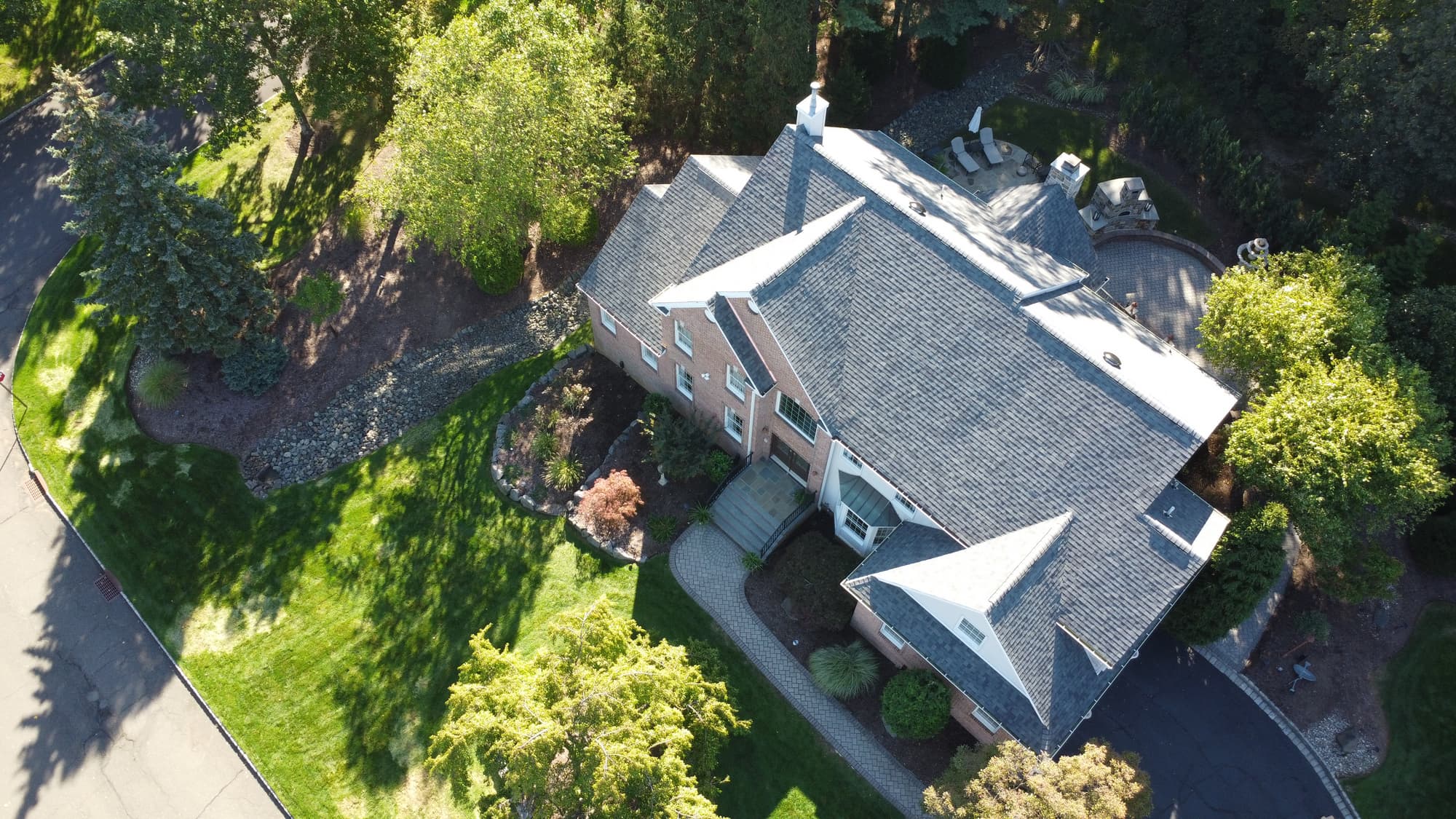
Flashing plays a critical role in preventing leaks where the roof meets other structures. Even a small failure in flashing can allow water to penetrate the roof and cause interior damage.
Flashing is typically installed around chimneys, skylights, vent pipes, valleys, and where the roof connects to vertical walls. Over time, these metal components can deteriorate or become loose.
Because flashing is such an important part of leak prevention, many professional contractors include flashing replacement as part of a full roof replacement. When reviewing a detailed roofing estimate, homeowners should confirm whether flashing is being replaced or reused, as this can affect both the price and the roof's long-term reliability.
Property Protection and Jobsite Cleanup
Roof replacement is a large construction project, and it inevitably produces debris and discarded materials. Professional roofing companies take steps to protect the property and maintain a safe jobsite during installation.
This often includes protecting landscaping around the home, controlling debris during tear-off, and performing thorough cleanup once the work is finished. Magnetic tools are commonly used to collect stray nails from the yard and driveway, and all leftover materials are removed at the end of the project.
These steps help ensure the home and surrounding property remain safe and clean after the roof replacement is complete.
Why Reviewing the Full Cost Breakdown Matters in Morris County and Middlesex County
For homeowners in Morris County and Middlesex County, carefully reviewing the full cost breakdown in a roofing estimate is especially important. Homes across these counties vary widely in age, architectural style, and roof design, differences that can influence how roofing projects are planned and priced.
Local building regulations and permit requirements can also vary between municipalities, which is another reason estimates may differ depending on where the property is located. Homeowners in towns throughout Morris County and in Middlesex County communities like Edison may notice that contractors take these local considerations into account when preparing proposals.
Weather patterns across North and Central New Jersey also influence how roofing projects are approached. Morris County often experiences heavier winter snowfall, while Middlesex County frequently sees strong summer storms and periods of high humidity. Taking the time to carefully review the full estimate helps ensure the project is planned with the home’s structure, local conditions, and long-term durability in mind.
Looking Beyond the Lowest Price
Choosing the lowest estimate may seem like the easiest decision, but roofing is a long-term investment in protecting your home. A well-installed roof should perform reliably for decades, which means quality materials and proper installation are essential.
Because roofing estimates may include different materials, ventilation upgrades, flashing work, and warranty coverage, the lowest total price does not always reflect the full scope of the project. Looking closely at the roof replacement cost breakdown in New Jersey helps homeowners understand exactly what is included in each proposal.
A roofing system that includes strong underlayment, balanced ventilation, durable shingles, and properly installed flashing is more likely to withstand New Jersey’s seasonal weather changes. Investing in these components can help prevent premature repairs and extend the roof's lifespan.
Request a Clear Roofing Estimate with Matute Roofing
Homeowners throughout New Jersey choose Matute Roofing for the company’s commitment to clear communication, detailed inspections, and professionally installed roofing systems. By reviewing the full scope of work together, homeowners gain a better understanding of their roofing options and the value behind the estimate. Get in touch today to learn more about the possibilities for your home and receive a transparent estimate.



Ready to Get Started?
Get in touch for a no-obligation estimate and personalized service you can count on.
Submit Request